• About

The art and science of the possible

~ A celebration of non-zero sum thinking

The art and science of the possible

Category Archives: society

The renewed meaning of hierarchy in Friedman’s flattening world

23 Tuesday Jul 2013

Posted by lnedelescu in business, knowledge, Organizational Development, philosophy, society

≈ 11 Comments

Tags

aspirations, Crowd Sourcing, Friedman, heightened awareness, hierarchy, higher purpose, horizontality, Leadership, the world is flat, Thomas, wisdom

Image

It’s uncertain to me whether our recent obsession with horizontality started with Thomas Friedman’s flat world. What is certain is that it is picking up steam. The theme of the Internet and mobile technology facilitating asymmetric competition, empowering the little guy, and dissolving traditional barriers is pervasive in business literature – see for example Nicco Mele’s “The End of Big” and Michael Saylor’s “The Mobile Wave”. New business models such as crowd-sourcing and complexity science inspired ant colony organizational models combine with the literature to reinforce the horizontality orthodoxy.

Yet even as technology is dissolving the barriers that had prevented a “flat world”, the invisible hierarchy of human purpose and meaning remains as if not more valid than ever before.


Continue reading →

Why higher education requires a new underlying philosophy

18 Thursday Jul 2013

Posted by lnedelescu in future, knowledge, philosophy, society, technology, Uncategorized

≈ 4 Comments

Tags

Christensen, Disruption, future, Higher Education, Knowledge, Online Learning, Resilience, Robustness, Technology, wisdom

Image

Futurists, scholars and entrepreneurs seem to agree: the higher education establishment will be disrupted in the near future. Thomas Frey foretells the collapse of over 50% of colleges by 2030 while Clay Christensen proposes higher education to be just on the edge of the crevasse. The culprit responsible for the disruption in their view? Technology, or more precisely the increasing availability of online learning to which Michael Saylor would add the proliferation of mobile devices.

My view? There is more to the story than technological disruption. To understand such subtleties, one has to look at the underlying philosophy of education.

Continue reading →

When it comes to strategy, it’s ok to cut corners

16 Tuesday Jul 2013

Posted by lnedelescu in business, knowledge, management, science, society, strategy

≈ Leave a comment

Tags

Decision Making, Heuristics, Human Systems, Humans, Implicit Knowledge, Life, problem solving, Science vs Art, Social Context, strategy

Image

Life is not a sanitized laboratory experiment. It’s rather a messy ebb and flow that makes scientific precision a futile pursuit. The scientific method has its rightful place in the universe, but human affairs are more artful than scientific.

Continue reading →

Patterns and meta-patterns – the key to an enlightened life

16 Tuesday Jul 2013

Posted by lnedelescu in philosophy, society

≈ Leave a comment

Tags

Buckminster Fuller, creativity, Enlightenment, Fractals, Life, Meaning, Patterns, Purpose, Society, Subtlety, Universe, wisdom

Image

In my previous blog contrasting creativity and planning I described the creative act as the probabilistic intersection of thought “patterns in the making” and the circumstantial experiences which completes their meaning. A life spent surfacing new patterns is an elevating journey that frees one from the grayer reality of zero sum games unfortunately still prolific in our supposedly civilized society. It is also a fulfilling endeavor that brings man closer to his rightful place in the cosmos as an implicated observer, as a “function of the universe itself” in Buckminster Fuller’s words.

Continue reading →

Emerging economies insights: the in-sourcing mindset and its implications for business and economic growth

11 Thursday Jul 2013

Posted by lnedelescu in business, Emerging Markets, innovation, problem solving, society

≈ Leave a comment

Tags

Abductive Reasoning, business, economic growth, Emerging Markets, expertise, experts, skill set

Image

I’ve written before about the huge pool of abductive reasoning in emerging economies and the opportunity it represents for western multinationals. This piece will explore the negative implications of that same mental resource for emerging economies themselves.

Continue reading →

The future of government

03 Wednesday Jul 2013

Posted by lnedelescu in business, society

≈ Leave a comment

Tags

21st century, complexity, cost-reduction, DARPA, development cycles, Government, Lean, Resilience

Image

I see two key challenges for 21st century governments: lean operations and resilient design. While based on fundamentally distinct mindsets, mastering the two practices would drive similar benefits, primarily cost-reduction.

Continue reading →

The foundations and future of economics

26 Wednesday Jun 2013

Posted by lnedelescu in future, innovation, society

≈ Leave a comment

Tags

economics, foundations, future, human evolution, Invention, knowledge work, labor, metaphysics, Physics, politics, predicament, Technology

Image

I’ve often wondered whether economics can be called a fundamental “science.” Much like physics can describe the rules of the game we call “reality” without a definitive answer as to how the game was set in motion in the primordial universe, so does economics seem to me to focus primarily on transactional mechanisms for value without a profound appreciation for how value materializes out of grey matter. Money is, or should be, an accurate measure of value, but ever since we moved away from bartering we have forever decoupled our transactional mechanisms (either in time or measure) from fundamental value, allowing us additional transactional flexibility in time and space, but also resulting in economic cycles, nothing more than periodic corrections to the coupling mechanisms.

Continue reading →

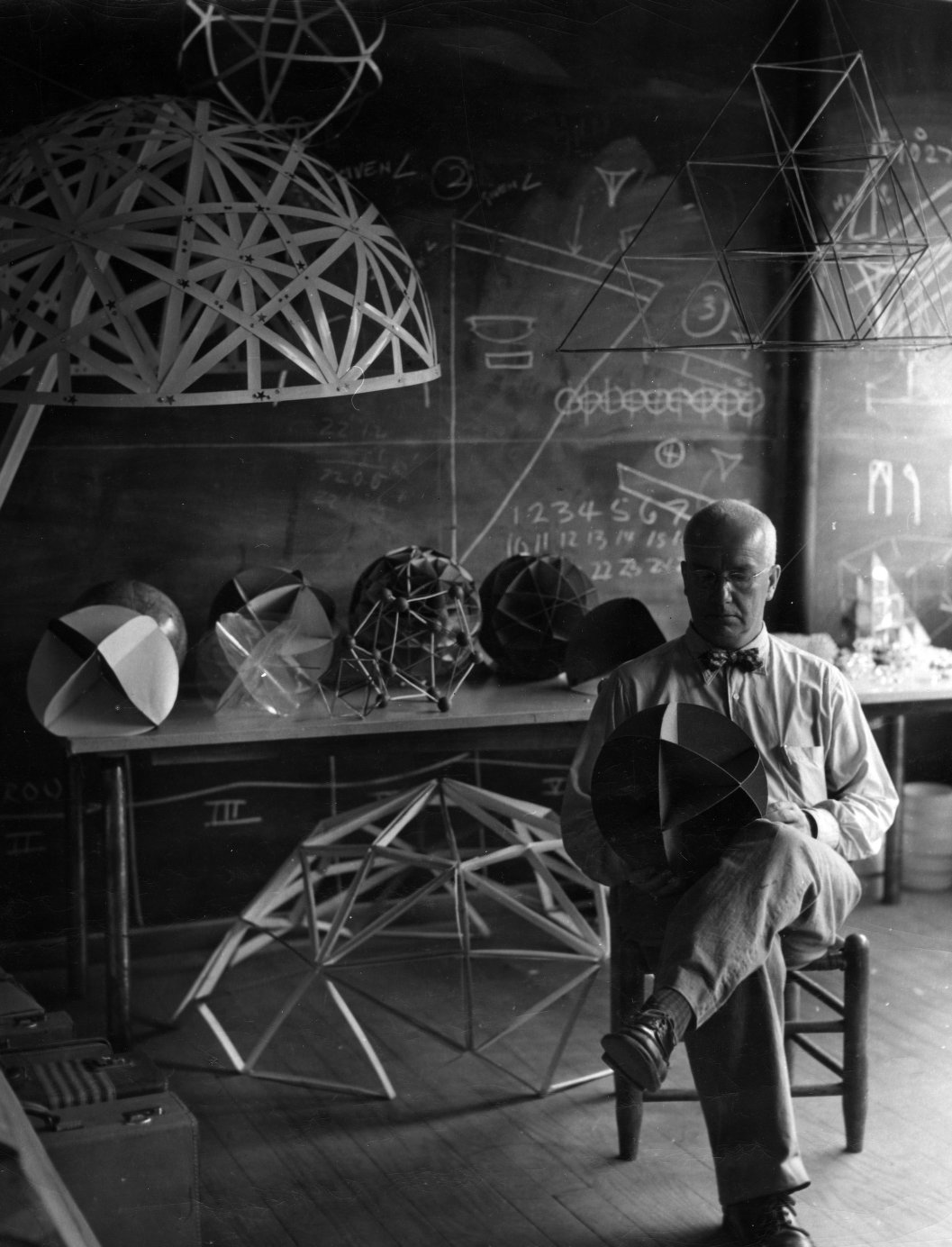
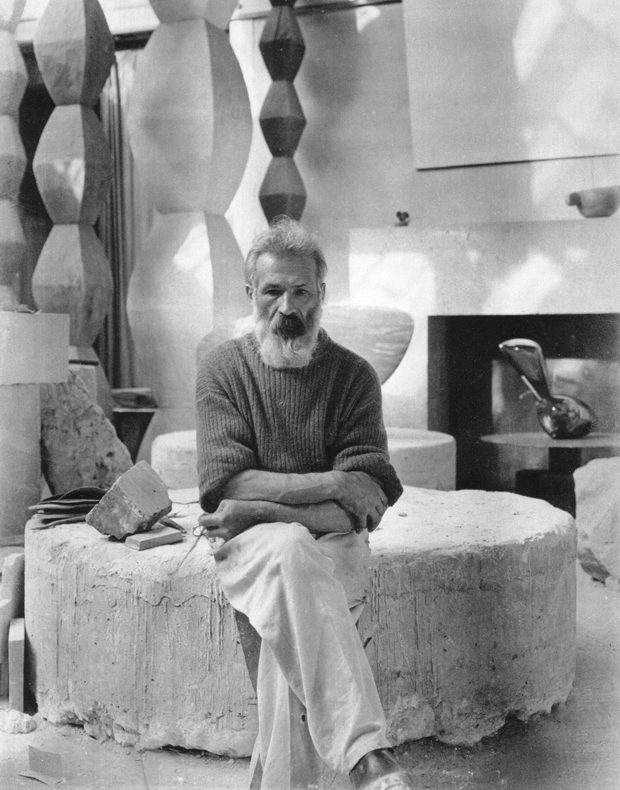
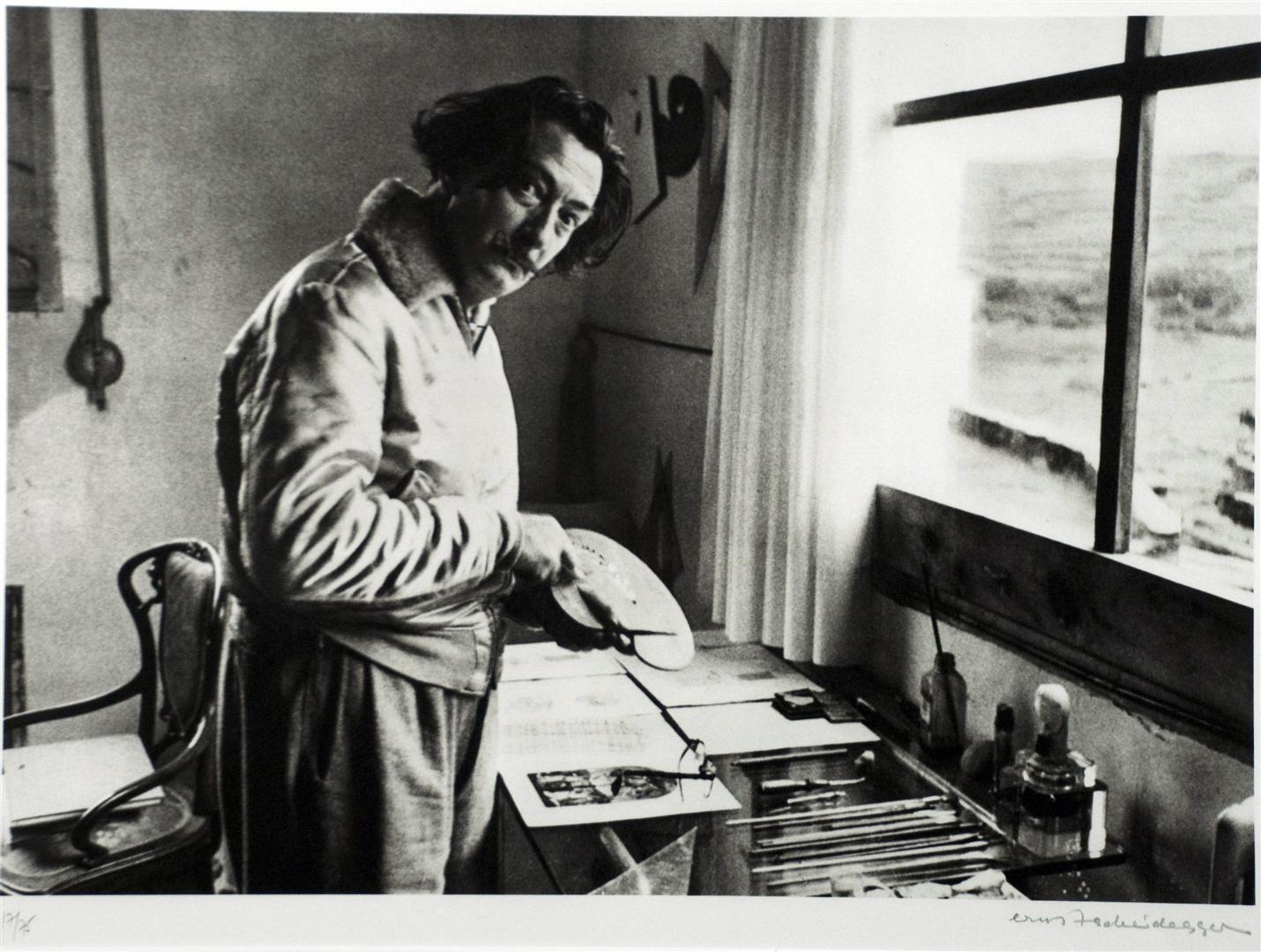
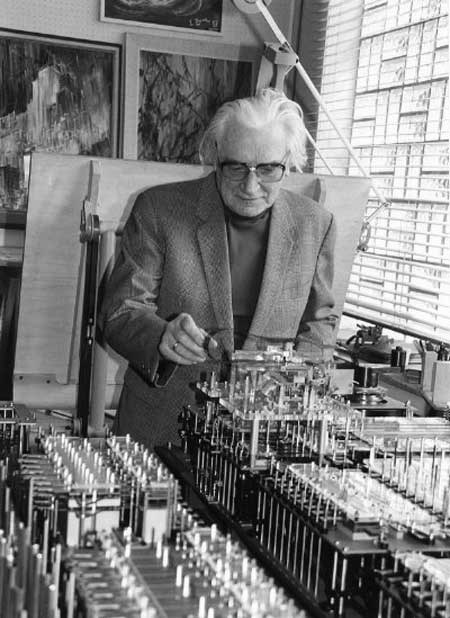
A visual tribute to design and creativity, and to the unity of art and science in the human spirit

23 Sunday Jun 2013

Posted by lnedelescu in design thinking, human capital, innovation, society

≈ Leave a comment

Tags

Art, Brancusi, Buckminster, Celibidache, Dali, Human Spirit, science, Society, Tesla, Zuze

Image

ImageImageImageImage

Image

In order of appearance: Buckminster, Brancusi, Dali, Celibidache, Tesla, Zuze

What’s beyond the knowledge economy shouldn’t scare anyone

22 Saturday Jun 2013

Posted by lnedelescu in capitalism, complexity, Crisis, future, human capital, society, technology

≈ 1 Comment

Tags

automation, Buckminster Fuller, jobs, Knowledge Economy, Kurzweil, labor, Society, specialization, technological singularity

Image

The love-hate relationship of humanity with technology seems to be universal across ages. We love the benefits that technology brings, but hate it when it threatens our jobs, or forces us to learn new skills faster than our comfortable pace.

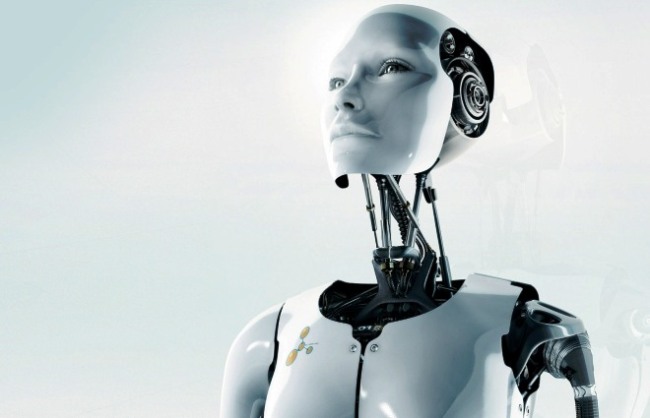
In the words of Clayton Christensen, one could say that technology is slowly disrupting human labor (and I include here knowledge work). The latest scare for humanity is the so called “technological singularity”, where artificial intelligence learns how to design improved versions of itself, and so exponentially surpasses human intelligence, leaving us humans well…irrelevant. Popular author Kurzweil predicts the year for this around 2045. Less extreme viewpoints still see automation as a major disruptive force to social order as even knowledge workers will be out of jobs in the next few decades. And so the fatalists wonder: how do we deal with the social implications of a few billion unemployed – will anarchy be the norm in 2045?

While the logical thread leading to a fatalist view of the future may seem sound, it is in fact plagued with serious flaws based in a misunderstanding of the differences between silicon and carbon-based intelligence.

Continue reading →

A significant update to my list of foundational thinkers: F. Buckmister Fuller

21 Friday Jun 2013

Posted by lnedelescu in business, capitalism, complexity, design thinking, future, human capital, society

≈ 2 Comments

Tags

architecture, Buckmister Fuller, complexity, Design, Foundational Thinkers, specialization of labor vs. holism, Systems

Image:

I have just come across the incarnation into words of a beautiful positivist and humanist mind of the highest caliber: F Buckminster Fuller. Apparently he is 50 years ahead of my timid attempts at using the converged wisdom of complexity, design and systems to contemplate our society’s potential pitfalls and ways to overcome them. And so, my initial list of foundational thinkers (Ackoff, Jaques, Prigogine and Vester) has just been expanded. I will be studying the implications of Fuller’s profound insights in the near future, but, for now, here is a quotation that takes the duality of my caution-opportunity message in the discontinuity disorder and post-causality pieces even further:

“We are in an age that assumes the narrowing trends of specialization to be logical, natural, and desirable. Consequently, society expects all earnestly responsible communication to be crisply brief. . . . In the meantime, humanity has been deprived of comprehensive understanding. Specialization has bred feelings of isolation, futility, and confusion in individuals. It has also resulted in the individual’s leaving responsibility for thinking and social action to others. Specialization breeds biases that ultimately aggregate as international and ideological discord, which, in turn, leads to war“. – F. Buckminster Fuller

← Older posts
Newer posts →

Categories

business capitalism Communication complexity consulting Crisis democracy design thinking Emerging Markets future human capital innovation Investment knowledge learning management Organizational Development paradox philosophy problem solving sales science society strategy taxonomy technology Uncategorized

Latest

  • Intelligence is Intentional
  • Plenty of Room at the Top: the case for a viable man-machine economic future
  • What does an “innovation economy” really mean?
  • Lightfoot strategy
  • Capital: a brief philosophy

Archives

  • June 2015
  • May 2015
  • April 2015
  • March 2015
  • February 2015
  • January 2015
  • December 2014
  • November 2014
  • October 2014
  • August 2014
  • June 2014
  • March 2014
  • February 2014
  • January 2014
  • November 2013
  • October 2013
  • September 2013
  • August 2013
  • July 2013
  • June 2013
  • May 2013
  • April 2013
  • March 2013
  • February 2013
  • January 2013
  • December 2012
  • November 2012
  • October 2012

Blog at WordPress.com.

Privacy & Cookies: This site uses cookies. By continuing to use this website, you agree to their use.
To find out more, including how to control cookies, see here: Cookie Policy
  • Subscribe Subscribed
    • The art and science of the possible
    • Join 151 other subscribers
    • Already have a WordPress.com account? Log in now.
    • The art and science of the possible
    • Subscribe Subscribed
    • Sign up
    • Log in
    • Report this content
    • View site in Reader
    • Manage subscriptions
    • Collapse this bar