• About

The art and science of the possible

~ A celebration of non-zero sum thinking

The art and science of the possible

Category Archives: human capital

Current HR practices killing innovation – an update

10 Wednesday Jul 2013

Posted by lnedelescu in business, human capital, innovation

≈ Leave a comment

Tags

HR, human capital, Innovation, Mavericks, Reliability bias, Risk

Image

About a month ago I argued in one of my blog entries that current HR practices’ bias towards reliability is killing innovation. This is a short update to provide further supporting evidence.

Continue reading →

Empowering true talent

03 Wednesday Jul 2013

Posted by lnedelescu in business, human capital, management, Organizational Development, Uncategorized

≈ Leave a comment

Tags

business, Empower, Hints, human capital, management, Organizational Development, Talent, value, wisdom

talented

“Managing” true talent is a misnomer. Subjecting the truly inspired to rules is akin to plowing fields with Ferraries – yes it might just work, but it sure is stupid. Use the talented rather for creating the recipes around which the hoards of less inspired can be assembled and scaled. In the same vein, don’t compensate the truly talented by the hour or with a fixed income: you would in effect incentivize them to limit their imagination. Strategy and vision are holistic products, they cannot be bought or measured by the hour, and don’t bow to quantitative rewards.

So then how can you empower the talented? Here’s a few hints.

Continue reading →

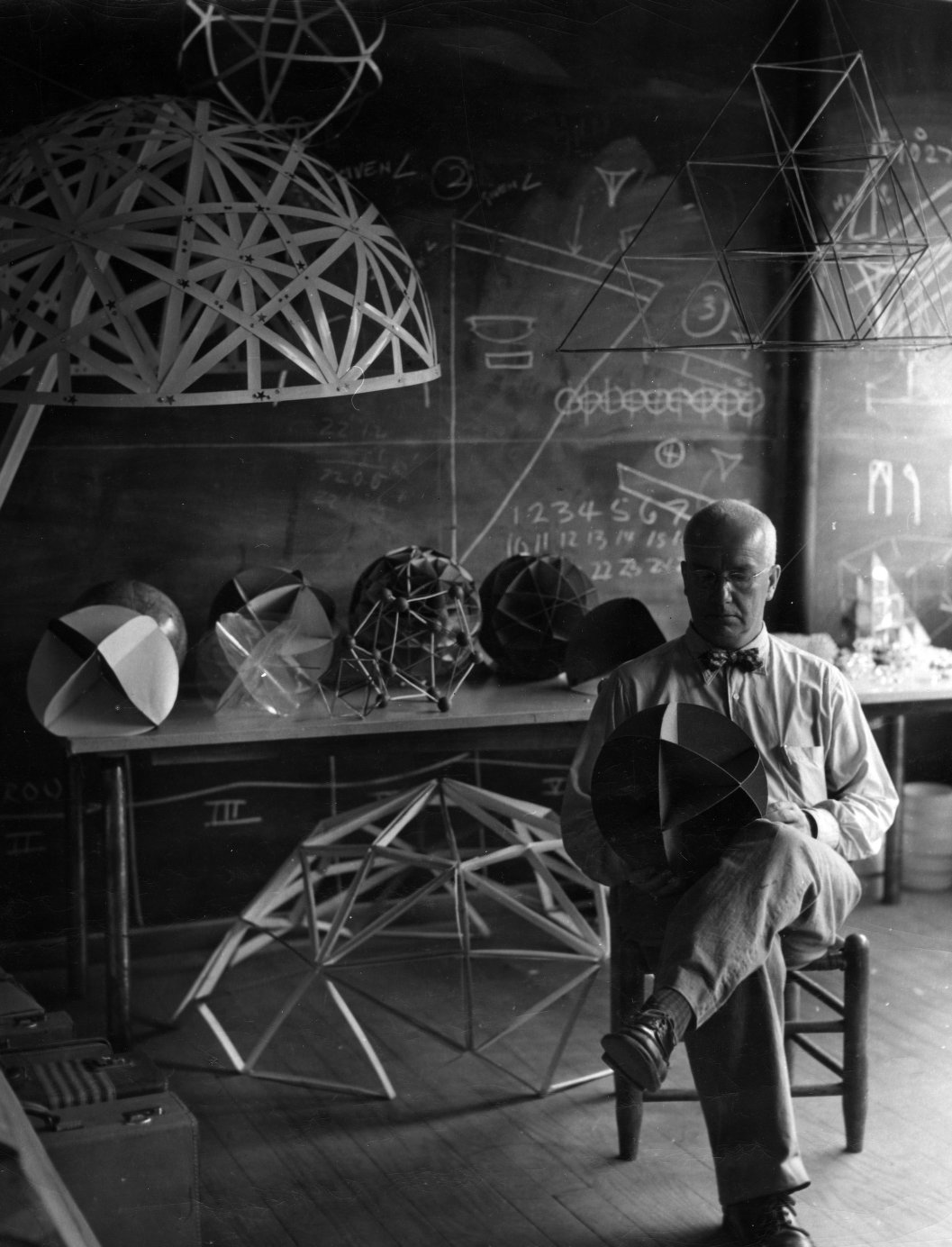
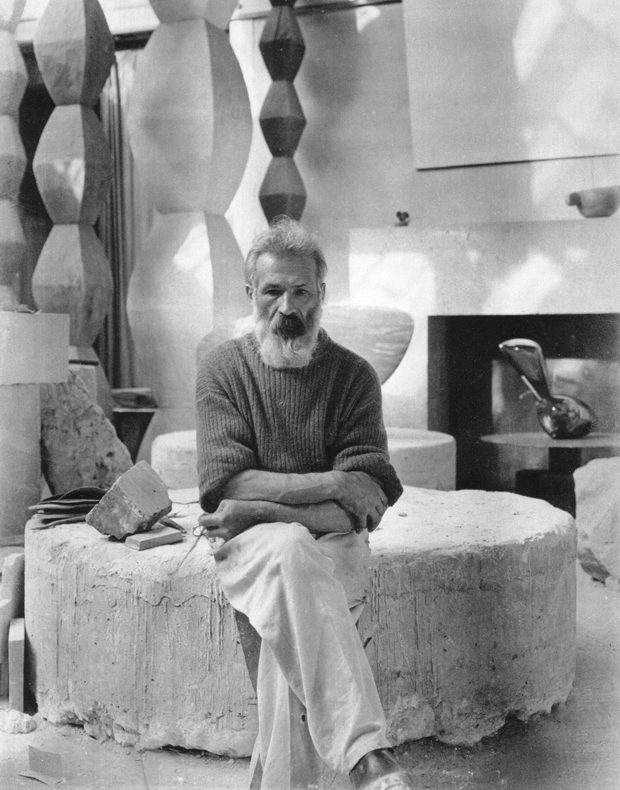
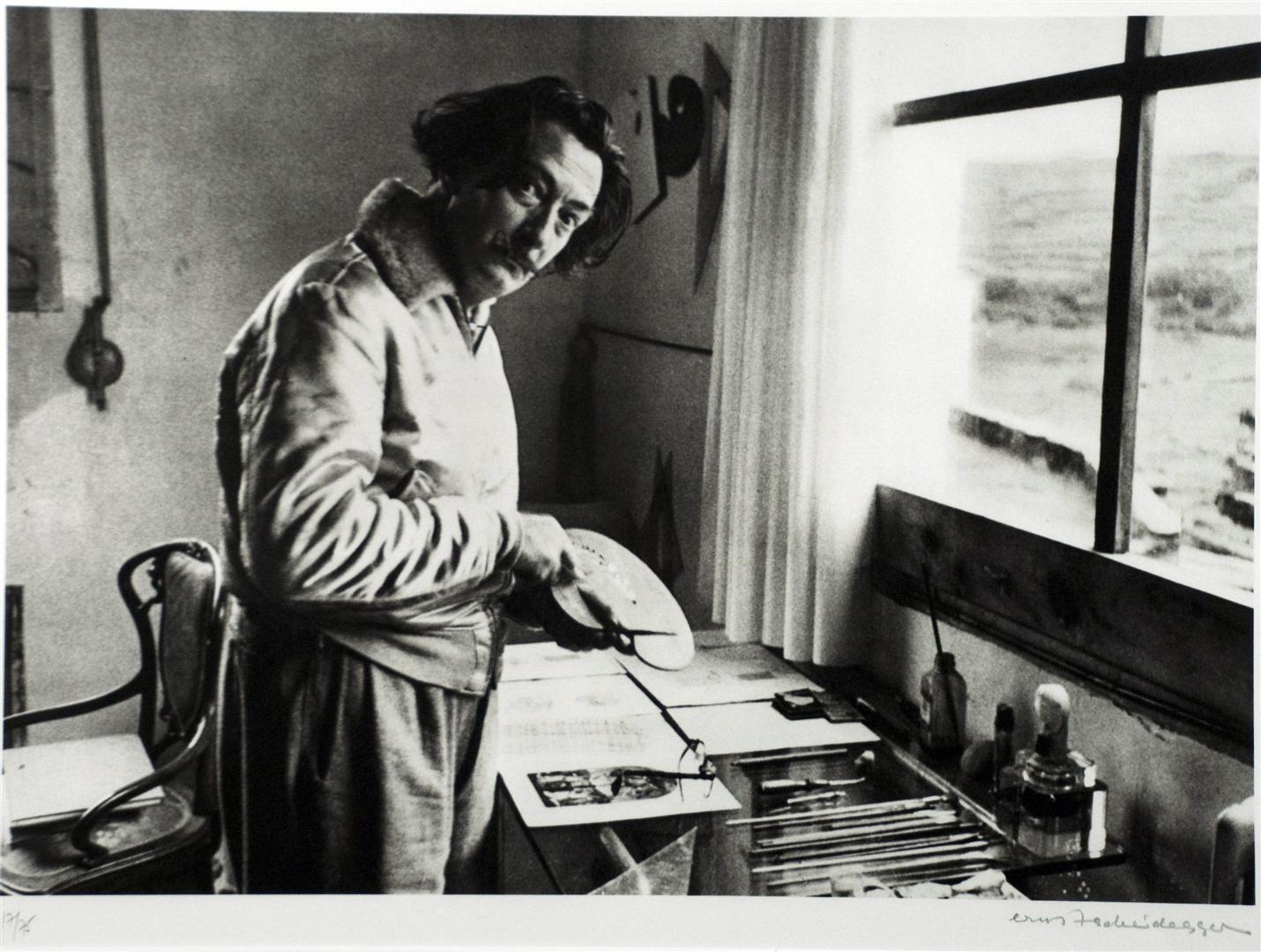
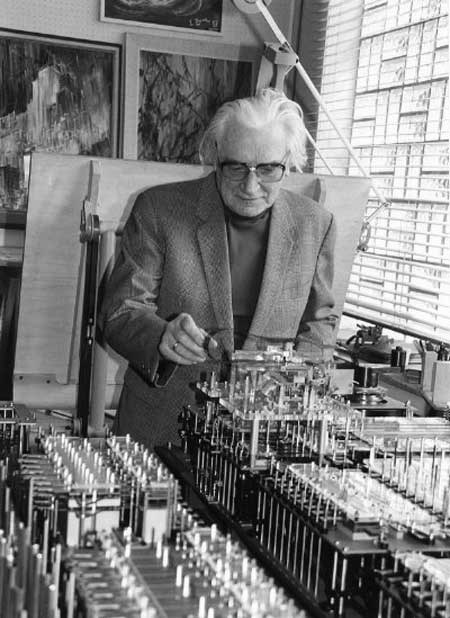
A visual tribute to design and creativity, and to the unity of art and science in the human spirit

23 Sunday Jun 2013

Posted by lnedelescu in design thinking, human capital, innovation, society

≈ Leave a comment

Tags

Art, Brancusi, Buckminster, Celibidache, Dali, Human Spirit, science, Society, Tesla, Zuze

Image

ImageImageImageImage

Image

In order of appearance: Buckminster, Brancusi, Dali, Celibidache, Tesla, Zuze

What’s beyond the knowledge economy shouldn’t scare anyone

22 Saturday Jun 2013

Posted by lnedelescu in capitalism, complexity, Crisis, future, human capital, society, technology

≈ 1 Comment

Tags

automation, Buckminster Fuller, jobs, Knowledge Economy, Kurzweil, labor, Society, specialization, technological singularity

Image

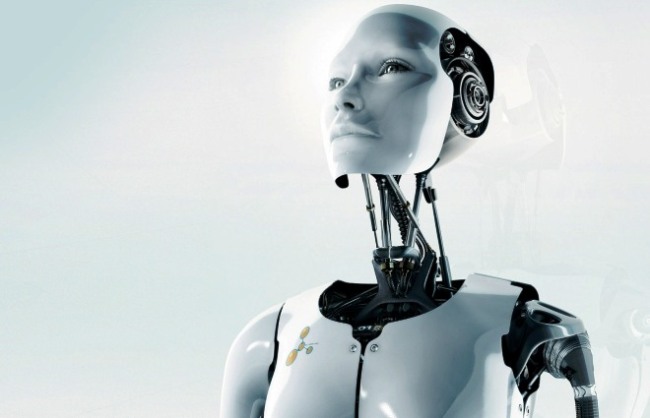
The love-hate relationship of humanity with technology seems to be universal across ages. We love the benefits that technology brings, but hate it when it threatens our jobs, or forces us to learn new skills faster than our comfortable pace.

In the words of Clayton Christensen, one could say that technology is slowly disrupting human labor (and I include here knowledge work). The latest scare for humanity is the so called “technological singularity”, where artificial intelligence learns how to design improved versions of itself, and so exponentially surpasses human intelligence, leaving us humans well…irrelevant. Popular author Kurzweil predicts the year for this around 2045. Less extreme viewpoints still see automation as a major disruptive force to social order as even knowledge workers will be out of jobs in the next few decades. And so the fatalists wonder: how do we deal with the social implications of a few billion unemployed – will anarchy be the norm in 2045?

While the logical thread leading to a fatalist view of the future may seem sound, it is in fact plagued with serious flaws based in a misunderstanding of the differences between silicon and carbon-based intelligence.

Continue reading →

A significant update to my list of foundational thinkers: F. Buckmister Fuller

21 Friday Jun 2013

Posted by lnedelescu in business, capitalism, complexity, design thinking, future, human capital, society

≈ 2 Comments

Tags

architecture, Buckmister Fuller, complexity, Design, Foundational Thinkers, specialization of labor vs. holism, Systems

Image:

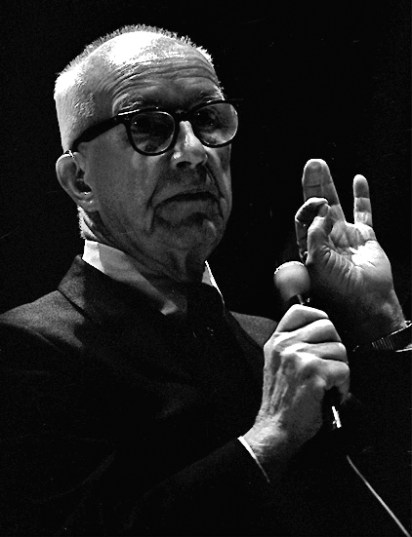
I have just come across the incarnation into words of a beautiful positivist and humanist mind of the highest caliber: F Buckminster Fuller. Apparently he is 50 years ahead of my timid attempts at using the converged wisdom of complexity, design and systems to contemplate our society’s potential pitfalls and ways to overcome them. And so, my initial list of foundational thinkers (Ackoff, Jaques, Prigogine and Vester) has just been expanded. I will be studying the implications of Fuller’s profound insights in the near future, but, for now, here is a quotation that takes the duality of my caution-opportunity message in the discontinuity disorder and post-causality pieces even further:

“We are in an age that assumes the narrowing trends of specialization to be logical, natural, and desirable. Consequently, society expects all earnestly responsible communication to be crisply brief. . . . In the meantime, humanity has been deprived of comprehensive understanding. Specialization has bred feelings of isolation, futility, and confusion in individuals. It has also resulted in the individual’s leaving responsibility for thinking and social action to others. Specialization breeds biases that ultimately aggregate as international and ideological discord, which, in turn, leads to war“. – F. Buckminster Fuller

On leadership

13 Thursday Jun 2013

Posted by lnedelescu in business, human capital, management, Organizational Development

≈ Leave a comment

Tags

creative design, Leadership, Russell Ackoff, Sense Making, visioning, W. Arthur Brian

leadership-penguins1

We all like to think of ourselves as moderate, reasonable beings, but as a society are never too far from extreme viewpoints – call it the peer pressure effect or our desire to fit in. As an example, the collective view on leadership has swung completely from the authoritative, masculine figure exerting total control to the unobtrusive nurturer of talent. We made no pause along the way to ponder the possibility of exaggeration and overreaction. Dare say the leader still has a very real and involved role in the organization and you are likely to be black listed and deemed a heretic nowadays. Say the leader should politely evaporate, and the audience immediately erupts in applause.

Continue reading →

Self-awareness: a phenomenon exclusive to the natural world?

13 Thursday Jun 2013

Posted by lnedelescu in human capital, learning, science, society, technology

≈ Leave a comment

Tags

Artificial Intelligence, Cognition, complexity, Double Loop Learning, Intentionality, Meaning, Natural World, Neural Algorithms, Perception, Purpose, Reality, Reflexivity, Self-Awareness, Singularity, Social Science

Image

Self-awareness, key to intentionality, meaning and purpose, may be restricted to the natural world. In social theory, reflexivity refers to a circular relationship between cause and effect in human systems. The latest in complexity and cognitive science – themselves related disciplines – appears to confirm this assertion by social scientists. By the simple act of perception humans can alter the reality they attempt to observe, and in that sense reality and sentient man can be said to intertwine. Out of this inference an emergent phenomenon we call the future limps forward.

Continue reading →

Passion: the best competitive strategy

06 Thursday Jun 2013

Posted by lnedelescu in business, human capital, management, Organizational Development, Uncategorized

≈ Leave a comment

Tags

business, Emotions, Kennedy, Leadership, Love, Napoleon, Passion, War

Napoleon

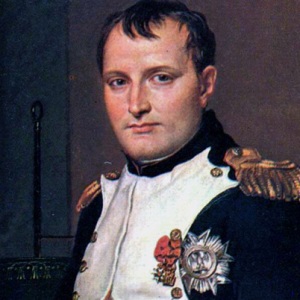
Let me attempt a positive twist to Napoleon’s “all’s fair in love and war” as applied to the world of business. Let me first propose that Napoleon’s insightful correlation can be extended to business in the first place. Love, war and business all have in common the competitive side of human nature – for the sake of procreation in the first case, and for survival in the other two. In all cases things have a high likelihood of becoming (very) personal, and when things get personal emotions usually flare.

Continue reading →

Effective strategy in complex environments, or why a complex world requires abstract thinking

06 Thursday Jun 2013

Posted by lnedelescu in complexity, consulting, human capital, management, strategy, taxonomy

≈ Leave a comment

Tags

Abductive Reasoning, abstract thinking, antifragility, Art, business schools, Categorization, complexity, Daniel Pink, Dave Snowden, hierarchy, integrative thinking, management consulting, Management Theory, mental models, Nassim Taleb, right brain thinking, Roger Martin, Sense Making, statistical analysis, strategy, weak-signals

dalisurreal

As I have recently argued, the world’s top strategists agree that strategy in complex, cause-and-effect blurred environments requires a unique mindset.

According to Snowden and others, in complex environments cause and effect relationships do not repeat and a categorization mindset where data is fit to preconceived notions about reality (i.e. models, frameworks, etc.) is ineffective. This by the way rules out most of the consultants who provide precisely this: prescription style, a-la-carte frameworks and models. What works are sense-making models (to understand the distinction between categorization and sense-making in the words of the world’s top strategists, see my related blog). Categorization models are fast and efficient, but may miss so called “weak signals”, comparatively insignificant data points that are simply part of the average in normal situations, but which can be the source of new emergent patterns in complex circumstances – fat tails and Black Swans respectively in Nassim Taleb parlance.

Continue reading →

Post-causality: a quiet global revolution in the making

05 Wednesday Jun 2013

Posted by lnedelescu in business, capitalism, complexity, consulting, democracy, future, human capital, innovation, knowledge, management, philosophy, problem solving, society, taxonomy, technology

≈ Leave a comment

Tags

Big Data, business, Categorization, causality, Cause and Effect, complexity, creativity, Cynefin, Daniel Pink, Dave Snowden, Drucker, Drucker Forum, Emergence, future, Imagination, Innovation, Knowledge, management, Methods, models, Motivation, Peter Checkland, Resilience, Revolution, Roger Martin, Russell Ackoff, Safety, Sense Making, Social Systems, Society

http://p.soledadpenades.com

If one were to cut a global cross-section through social classes, nationalities, ethnicities, ages, professions, genders, and so forth, very few commonalities would emerge. And yet, there is I propose just such a common thread: a shared causality mindset, a globally predominant belief in the supremacy of cause and effect.

Since it is people who run our institutions, this belief continues to shape our modern society and even influence to a large extent the technological outcrops of our knowledge economy. From business strategy to macroeconomic models, and from political debates to Big Data, causality is pervasive and its implications profound.

Continue reading →

← Older posts
Newer posts →

Categories

business capitalism Communication complexity consulting Crisis democracy design thinking Emerging Markets future human capital innovation Investment knowledge learning management Organizational Development paradox philosophy problem solving sales science society strategy taxonomy technology Uncategorized

Latest

  • Intelligence is Intentional
  • Plenty of Room at the Top: the case for a viable man-machine economic future
  • What does an “innovation economy” really mean?
  • Lightfoot strategy
  • Capital: a brief philosophy

Archives

  • June 2015
  • May 2015
  • April 2015
  • March 2015
  • February 2015
  • January 2015
  • December 2014
  • November 2014
  • October 2014
  • August 2014
  • June 2014
  • March 2014
  • February 2014
  • January 2014
  • November 2013
  • October 2013
  • September 2013
  • August 2013
  • July 2013
  • June 2013
  • May 2013
  • April 2013
  • March 2013
  • February 2013
  • January 2013
  • December 2012
  • November 2012
  • October 2012

Create a free website or blog at WordPress.com.

Privacy & Cookies: This site uses cookies. By continuing to use this website, you agree to their use.
To find out more, including how to control cookies, see here: Cookie Policy
  • Subscribe Subscribed
    • The art and science of the possible
    • Join 151 other subscribers
    • Already have a WordPress.com account? Log in now.
    • The art and science of the possible
    • Subscribe Subscribed
    • Sign up
    • Log in
    • Report this content
    • View site in Reader
    • Manage subscriptions
    • Collapse this bar
 

Loading Comments...